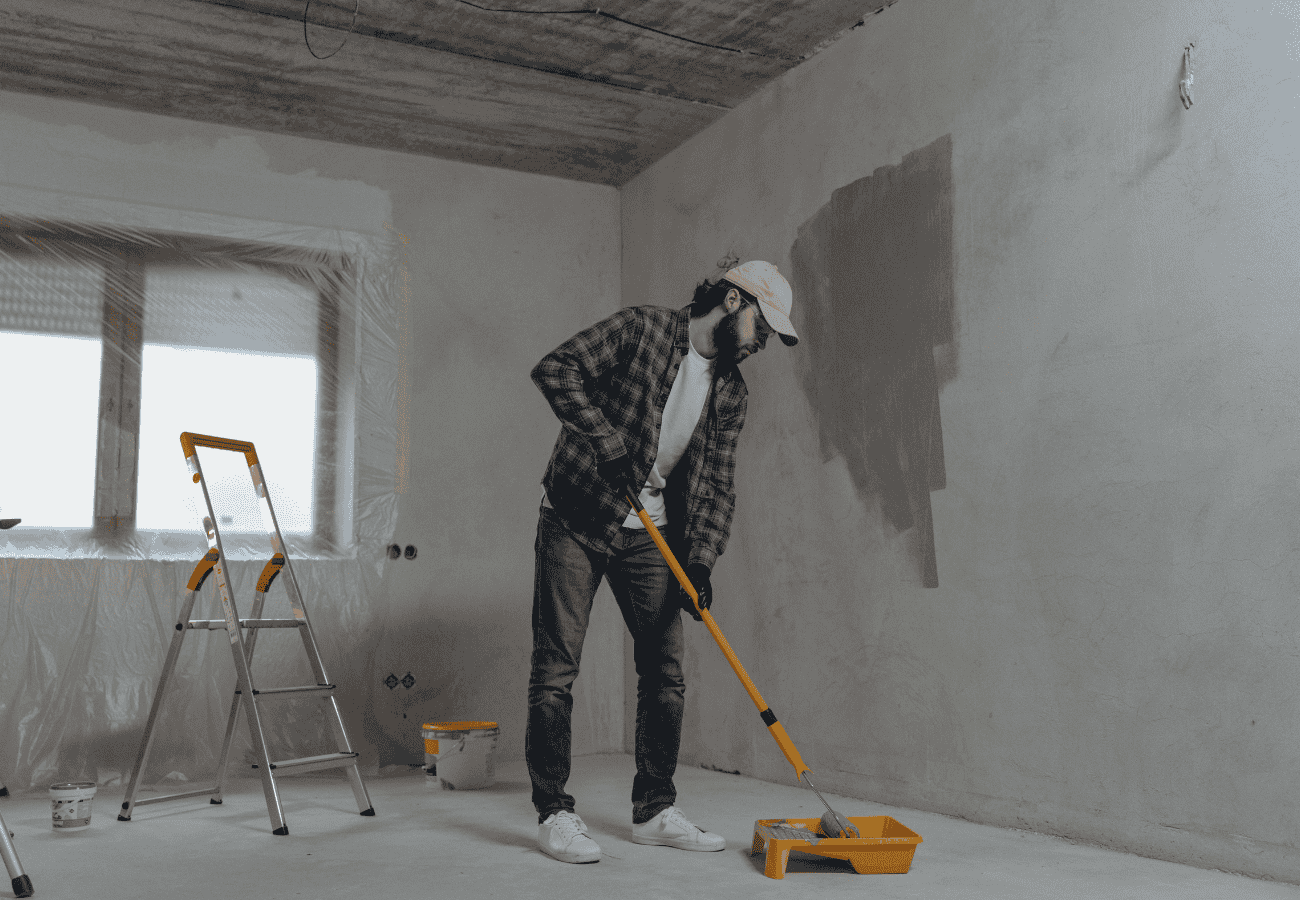
Texture painting adds pattern, shape, and a light tactile finish, so a plain wall looks more complete. If you are wondering what texture painting is, it is a method of using specially made wall paint to create raised or patterned effects on a wall.
This guide explains what texture is in painting, its benefits, application methods, tools, and finishing tips.
Benefits of Using Texture Paint on Walls
Texture paint adds more than colour to a wall. It creates patterns, depth, and a more finished look for the room.
Hides Cracks and Imperfections
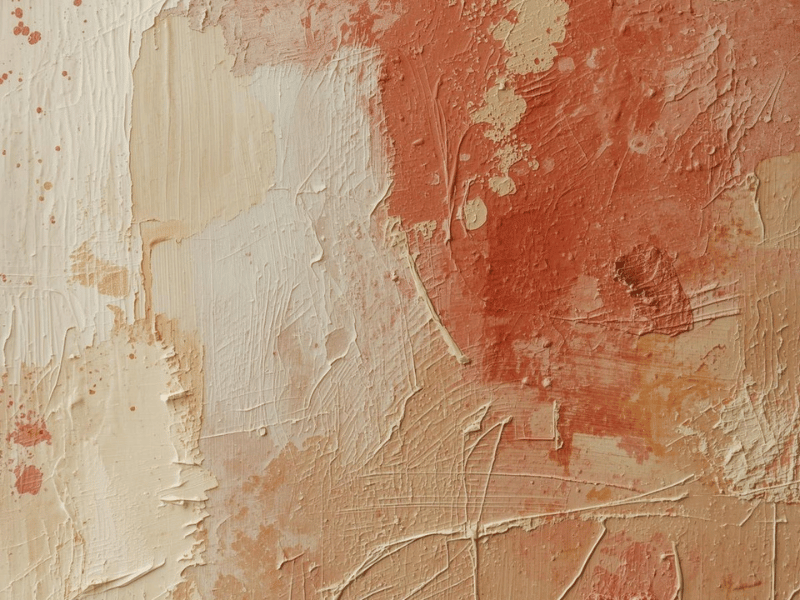
This finish can make small wall flaws less noticeable.
- Texture paint adds a thicker layer to the wall surface.
- It can cover minor cracks, small dents, and uneven patches.
- It gives the wall a neater look with less visible surface damage.
Adds Depth and Visual Appeal
Texture paint creates stunning wall textures that give a richer and more detailed finish.
- It creates a three-dimensional effect on the surface.
- It makes walls look more stylish than a plain flat finish.
- It works well for feature walls, living rooms, and bedrooms.
Low Maintenance
Textured walls can be easier to maintain in daily use.
- They do not show light marks as quickly as smooth walls.
- Minor stains, fingerprints, and small scratches may appear less visible.
- They may reduce the need for frequent touch-ups.
Wide Range of Design Options
Texture paint offers many choices for different room styles.
- It is available in soft, bold, modern, and decorative finishes.
- It can suit simple rooms as well as an accent wall.
- A suitable colour catalogue can make shade selection easier.
Different Ways to Apply Texture Paint on Walls
Each option represents different types of texture painting, creating looks that range from soft and simple finishes to more decorative patterns. Choose from various texture paint techniques based on the wall area, room style, tools available, and the finish you want.
Knockdown Texture Technique
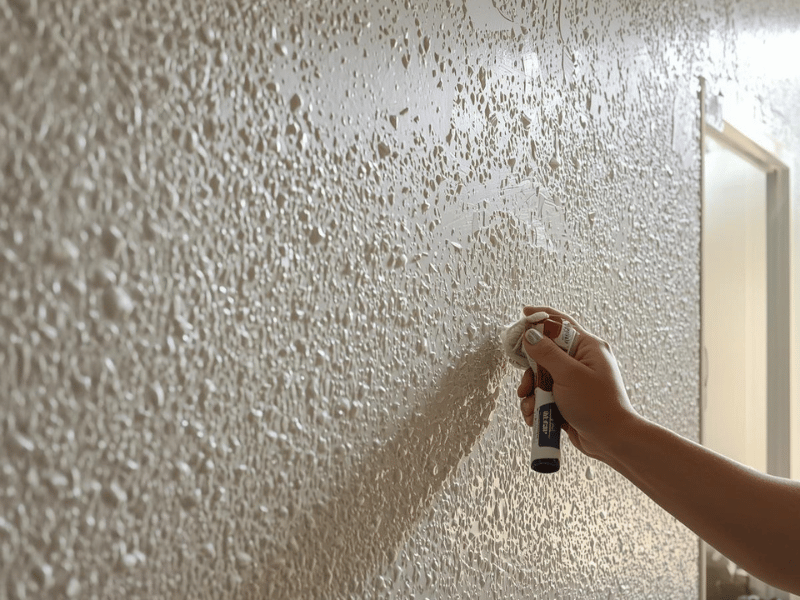
Knockdown texture may be a good choice when you want a trending wall texture design.
- Knockdown texture is created by applying texture paint and lightly flattening the raised parts before the paint fully dries. It gives the wall a soft, stucco-like finish.
- Apply the texture using a spray tool or roller. Let it dry partly, then gently smooth the raised peaks with a trowel or putty knife.
- Best for: Living rooms, ceilings, and subtle modern interiors.
Orange Peel Texture
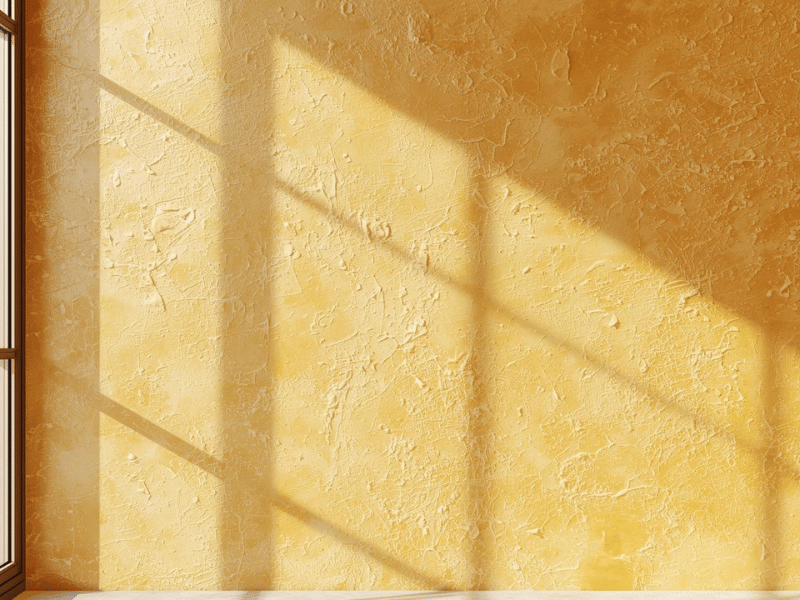
Orange peel texture adds a fine pattern without making the wall look too heavy.
- Orange peel texture creates small, evenly spread raised dots across the wall. The finish looks similar to the skin of an orange.
- Use a spray gun or suitable roller to apply a thin and even coat. Let the paint dry naturally without smoothing the surface.
- Best for: Offices, hallways, and minimalist interiors.
Comb Texture Technique
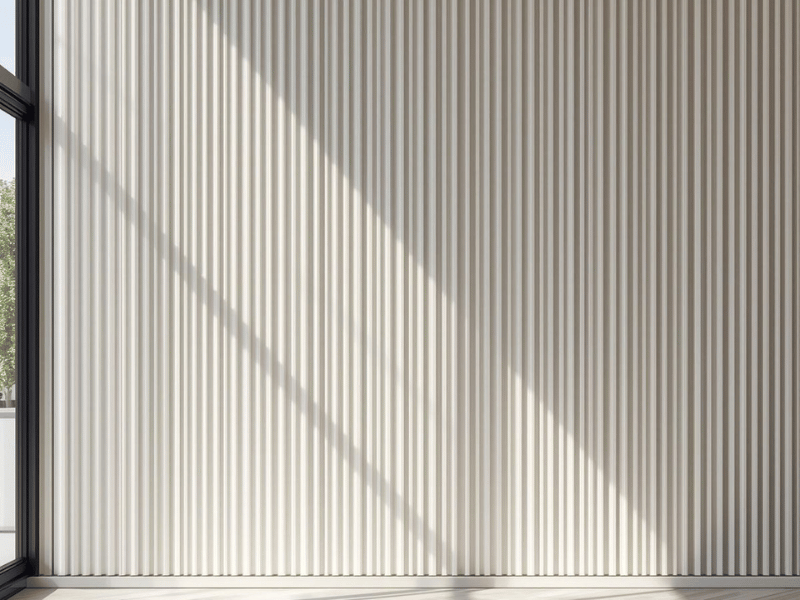
Comb texture works well when you want a more decorative wall pattern.
- Comb texture is made by dragging a comb-like tool through wet texture paint. It can create lines, curves, waves, arcs, or circular patterns.
- Apply a thick coat of texture paint on the prepared wall. While the paint is still wet, move the comb tool in the selected pattern.
- Best for: Accent walls and artistic interiors.
Sand Texture Finish
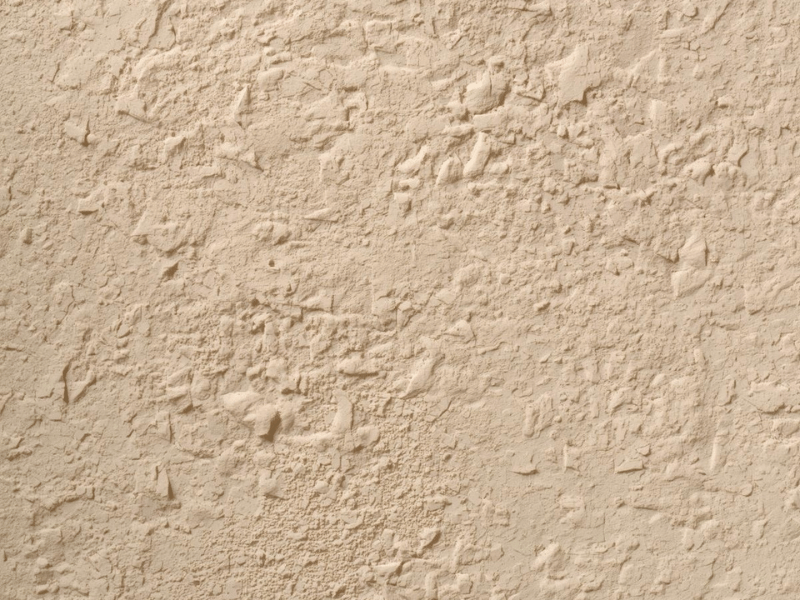
Sand texture gives walls a rough and grainy look.
- Sand texture is created with paint mixed with sand or fine grit. It gives the wall a natural and slightly rustic finish.
- Mix the sand additive into the paint as per the product instructions. Apply it with a roller or brush, then let it dry naturally.
- Best for: Rustic themes and exterior walls, depending on the product.
Slap Brush Texture
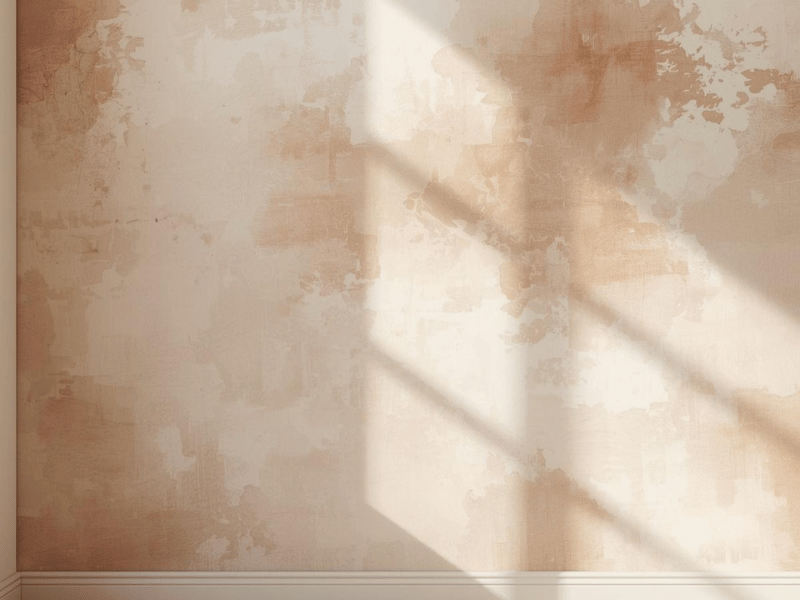
Slap brush texture creates a more random and traditional wall effect.
- Slap brush texture is made by pressing and lifting a special brush on wet texture paint. It creates fan-like patterns across the wall.
- Apply a base coat of texture paint. While it is still wet, use the slap brush to create patterns by pressing and lifting it from the wall.
- Best for: Traditional interiors and ceilings.
Roller Texture Technique
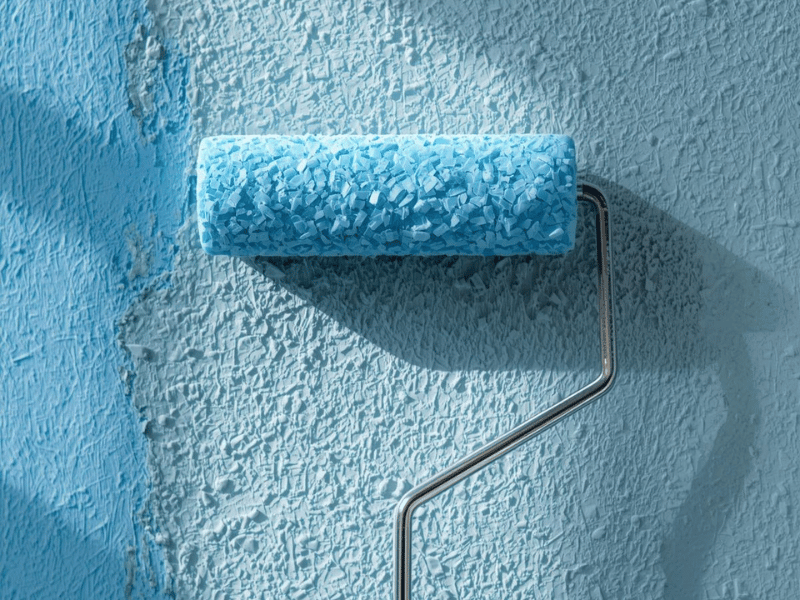
Roller texture is one of the simpler methods for creating a patterned wall finish.
- Roller texture is made by using a roller with a patterned surface to create a roller paint design on the wall. It is easier to control than many hand-tool techniques.
- Choose a textured roller that matches the finish you want. Apply the paint evenly across the wall and repeat the same movement for a consistent pattern.
- Best for: DIY projects and quick renovations.
Tools Required for Texture Painting
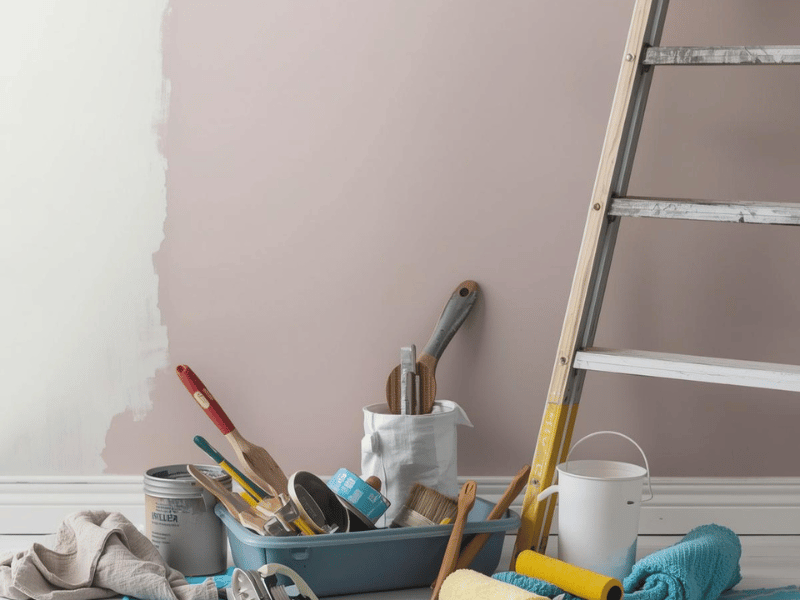
Essential tools include:
- Rollers and brushes for applying paint
- Trowels and putty knives for shaping or flattening texture
- Spray gun, if the method needs spray application
- Texture combs or slap brushes for patterns
Tips for Best Texture Paint Results
Good preparation is important for a neat and even finish. These simple steps can make the texture look cleaner and reduce common application mistakes.
Surface Preparation
A clean and stable wall gives texture paint a better base.
- Clean the wall thoroughly before painting.
- Remove dust, grease, loose paint, and flaky plaster.
- Repair small cracks, holes, and damaged patches.
- Make sure the wall is dry before applying primer.
- Apply primer before texture paint for better surface preparation.
Application Tips
Using the right textured wall painting techniques helps the finish look even and consistent across the wall.
- Check the pattern, tool movement, and drying time before full application.
- Maintain consistent pressure while using a roller, brush, comb, or trowel.
- Work in sections so the texture can be shaped before it dries.
- If you are learning how to texture paint a wall, start with a smaller area before moving to the main wall.
Drying and Finishing
Proper drying is important for a clean final result.
- Allow enough drying time as mentioned in the product instructions.
- Avoid touching, cleaning, or recoating the wall too early.
- Drying time may change based on paint thickness, weather, and ventilation.
- Apply sealant only if the paint product or wall condition requires it.
Conclusion
Texture painting is a useful way to add depth, pattern, and character to walls. It can also reduce the appearance of small surface flaws when the wall is prepared correctly. The aim is to create stunning wall textures that suit the room instead of making the surface look overloaded. For a cleaner finish, trained painting services can guide surface preparation, product choice, and application. Berger Express Painting may be considered by homeowners who prefer professional support for texture painting work.