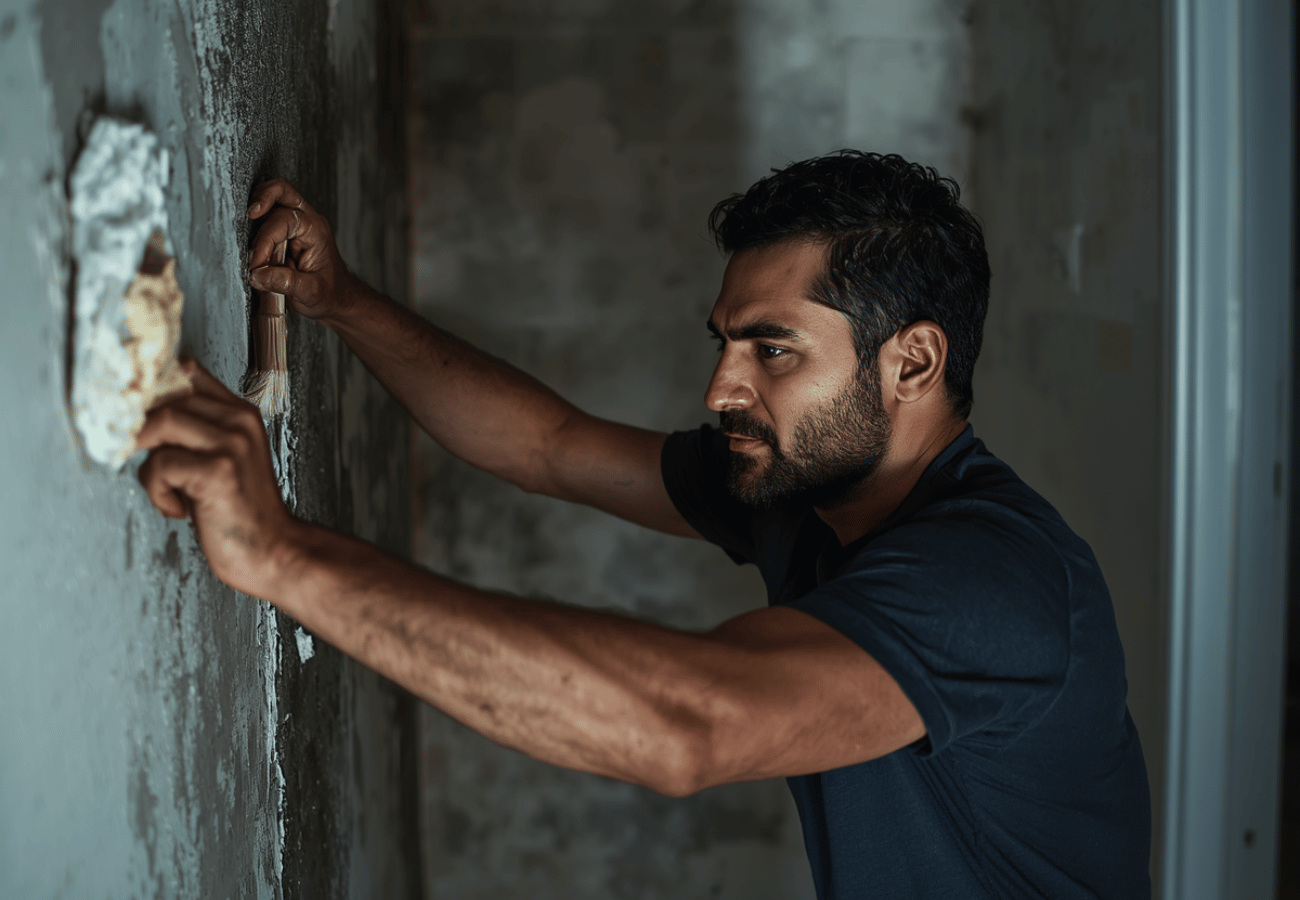
After the rainy season, excess moisture and humidity can leave walls damp, creating ideal conditions for mold and mildew. These fungal patches may cause musty odours, peeling paint, damaged plaster, allergies and breathing discomfort. Prompt removal helps prevent the problem from spreading. This guide explains the causes, safe cleaning methods, prevention tips and maintenance practices for healthier, cleaner walls indoors.
Why Mold and Mildew Develop after the Rainy Season
Walls often remain damp long after rainfall stops because humidity, condensation, seepage and limited airflow prevent proper drying. This trapped moisture supports mold and mildew growth, particularly in bathrooms, kitchens, basements and exterior-facing walls, where water exposure and ventilation problems are common.
How to Identify Mold and Mildew on Walls
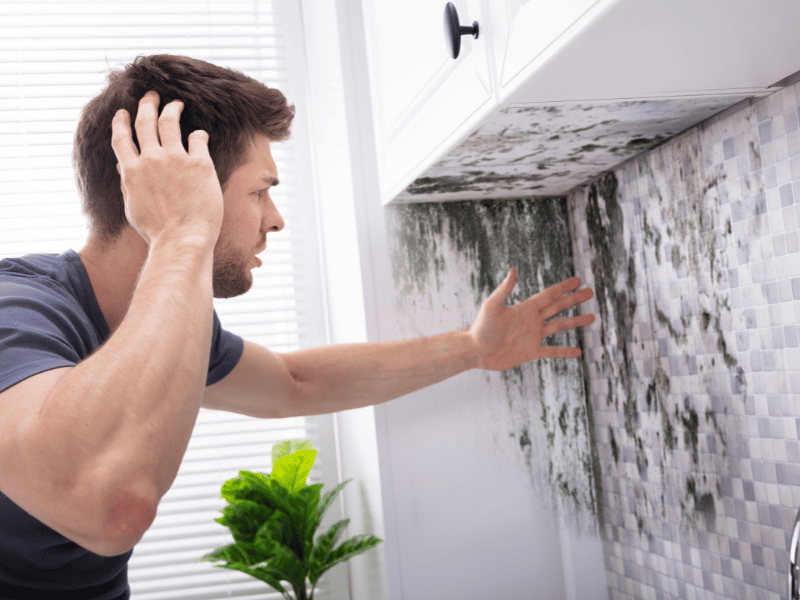
Look for black, green, grey or white marks, peeling paint, bubbling surfaces, damp stains and discolouration. A stale odour may appear. A moisture meter for walls can locate dampness. Early identification may limit damage and moisture problems.
Common Signs of Mold Growth
Dark spots, fuzzy patches, water marks and unpleasant smells are signs. Inspect corners, ceilings, windows and pipes. Anyone asking how to clean fungus on a wall should check whether seepage, condensation or leakage is keeping it wet.
Difference between Mold and Mildew
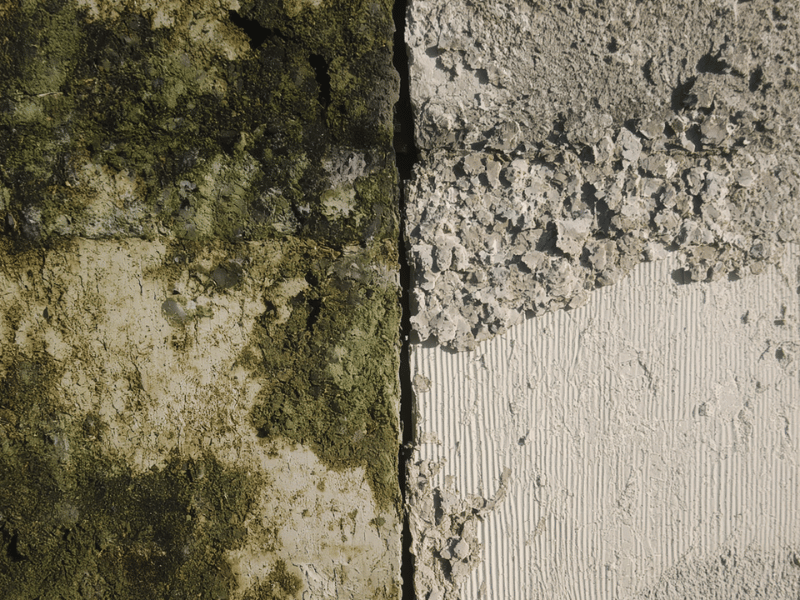
Mildew is usually a surface-level fungal growth that appears as white or grey patches. Mold can penetrate deeper into walls and other porous surfaces, increasing the risk of lasting structural damage over time if left untreated.
Safety Precautions before Cleaning Mold
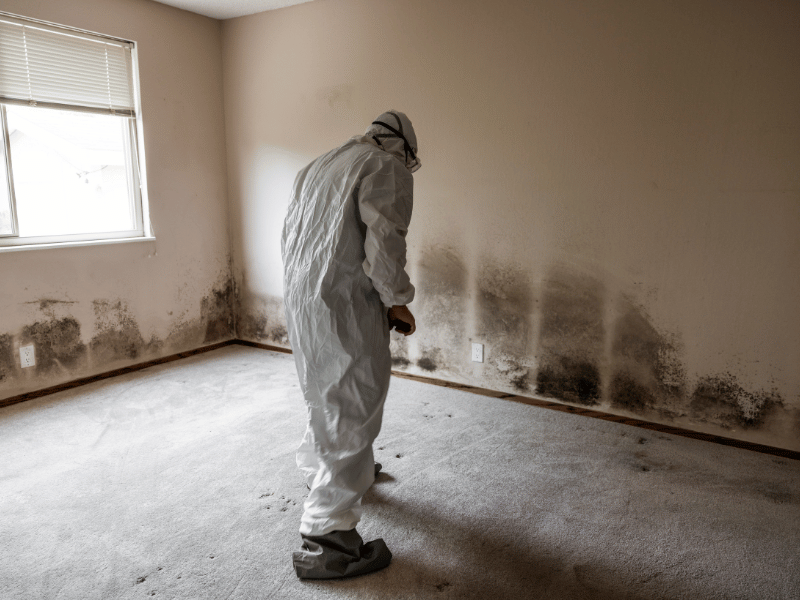
Wear gloves, a mask and eye protection. Open doors and windows and keep children and pets away. Avoid brushing dry patches because spores may spread. For recurring growth, professional help is safer than testing how to remove mold from walls.
Step-By-Step Guide to Remove Mold and Mildew from Walls
Avoid carrying residue onto clean areas. How to remove mold from walls should begin with moisture control and end with drying.
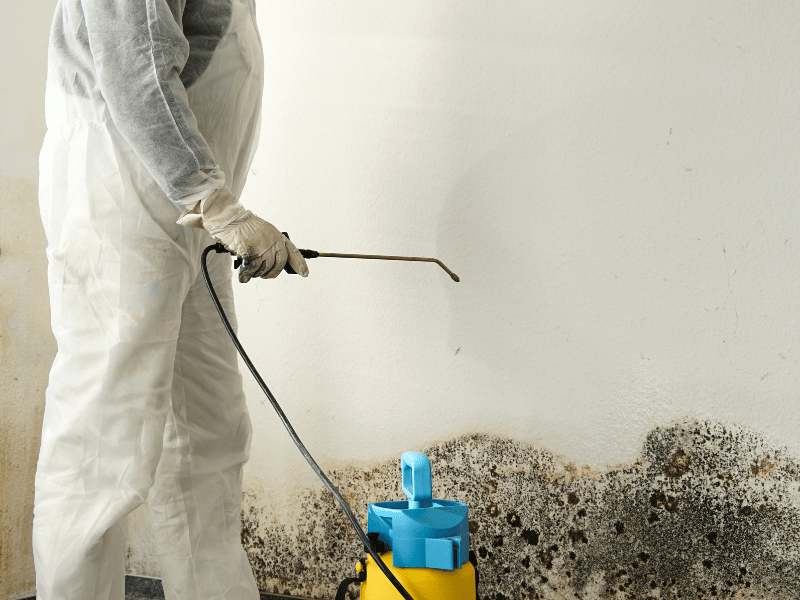
Step 1: Dry the Affected Area
Check dampness-prone areas in the house, stop any leakage, and use open windows, exhaust fans or a dehumidifier. Allow the affected wall to dry completely before cleaning.
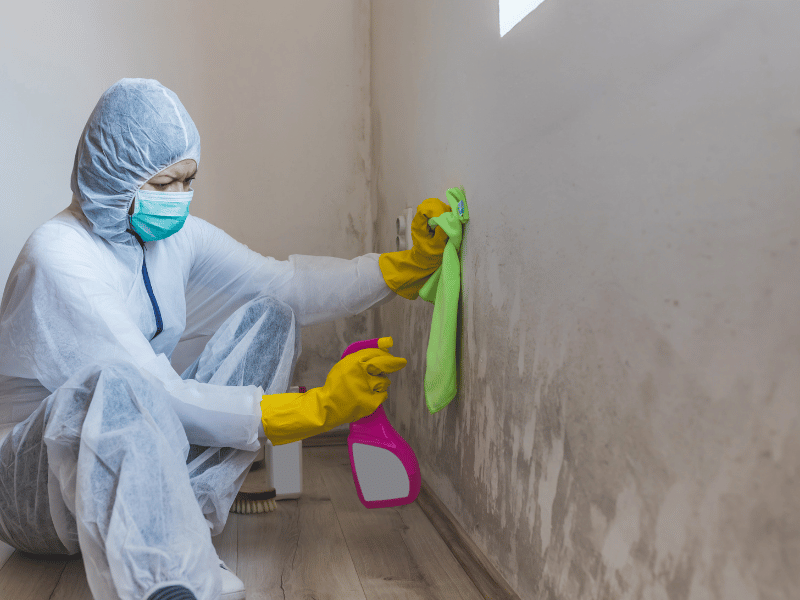
Step 2: Clean the Surface
Use mild detergent, white vinegar or an approved cleaner. Test a hidden spot when learning how to remove mold from painted walls. Scrub gently with a soft cloth or brush, then wipe away residue. Cleaning mold off walls too firmly may loosen paint.
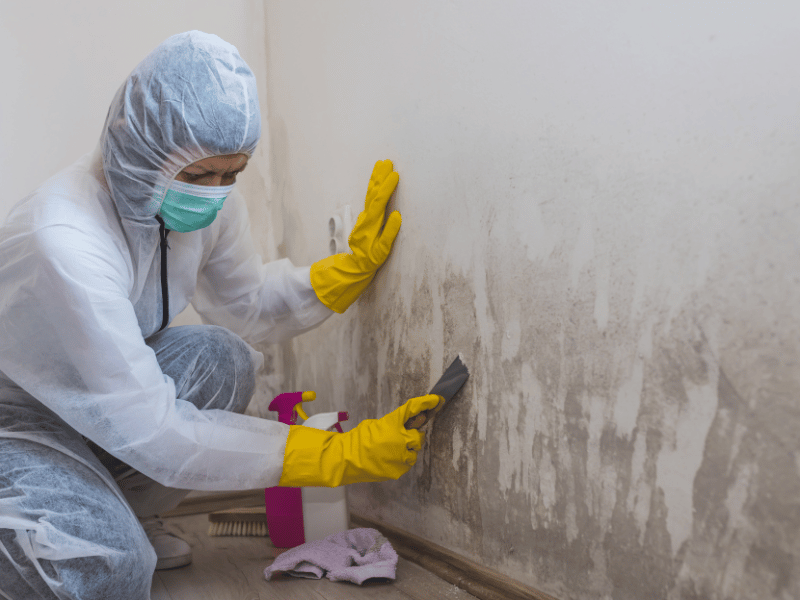
Step 3: Remove Stubborn Mold
Persistent patches may need a commercial product, such as a black mold remover for walls. Follow its label and never mix products. To get rid of black mold on walls, seek help. Damaged material may require repair, including the need to remove mold from drywall.
Step 4: Let the Wall Dry Completely
Leave the wall exposed to air until dry. Do not apply primer, wall paint or coatings over dampness. Complete drying matters when deciding how to treat mold on walls because moisture can support growth.
Natural Remedies for Removing Mold and Mildew
White vinegar or baking soda may help with growth. Use one remedy, scrub gently and wipe clean. Never mix bleach with ammonia or other cleaners. Natural methods may explain how to clean mold off walls in minor cases but cannot correct seepage.
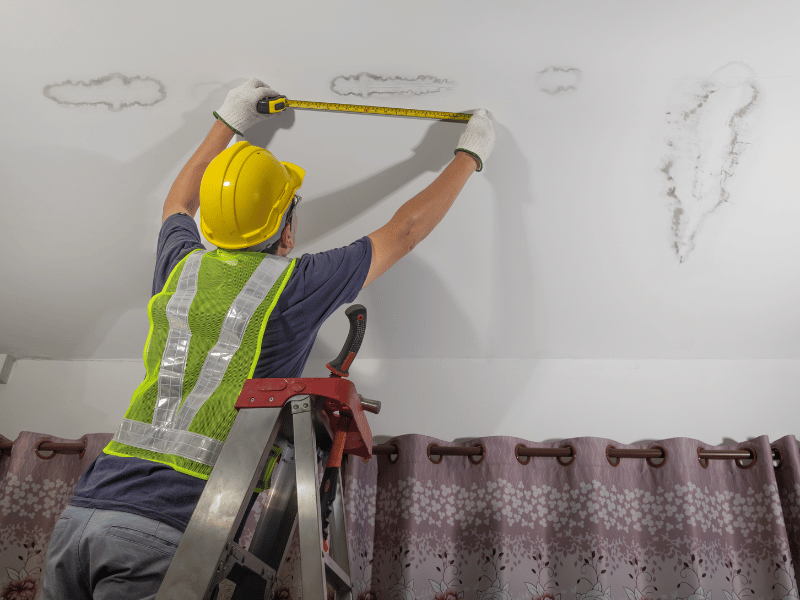
Repair Water Damage before Repainting
Repair the cause first. Check roof joints, pipes, windows and exterior cracks. Let repaired areas dry before applying primer or paint. Choosing from a colour catalogue should come later. This order is central to how to get rid of mold on walls for longer.
Prevent Mold and Mildew from Returning
Prevention depends on dry walls, airflow and attention to dampness throughout the year.
Improve Indoor Ventilation
Use exhaust fans in kitchens and bathrooms, open windows and create cross-ventilation. Leave space between furniture and walls. Better airflow supports how to stop mold on walls in closed rooms.
Control Indoor Humidity
Maintain indoor humidity below 60% wherever possible. Use a dehumidifier or air conditioner when needed to control excess moisture and prevent walls from remaining damp for extended periods.
Fix Leaks Immediately
Repair plumbing leaks, roof seepage and exterior cracks; correct water entry before applying coatings. After preparation, suitable anti-dust paint for exterior walls may support upkeep but cannot replace waterproofing or repairs.
Inspect Walls Regularly
Check ceilings, bathroom corners, cupboards, windows and exterior facing walls after rain. Notice odours, stains or peeling paint. Regular checks make treating fungus on walls easier because damp patches can be managed sooner.
Common Mistakes to Avoid While Removing Mold
Here are the pointers:
- Painting over mold without cleaning the affected surface first.
- Ignoring gloves, masks and eye protection during cleaning.
- Cleaning the wall without repairing the source of moisture.
- Scrubbing too harshly and damaging the paint or plaster.
- Repainting before the surface has dried completely.
Conclusion
Removing mold and mildew after the rainy season is not only about cleaning visible patches. The source of moisture must also be repaired, and the wall should dry completely before repainting.
Regular inspections, better ventilation and suitable moisture-resistant coatings can help prevent regrowth. For larger affected areas, Berger Paints painting services may offer professional support for proper wall treatment.