Chalking and fading are the two most common issues homeowners face on residential properties. Both problems have a negative impact on walls because these surfaces are frequently exposed to sunlight, rain and environmental factors. Chalking and fading may seem similar in the first instance, but they are different paint conditions caused by various factors.
Thus, understanding the concept of paint chalking vs fading can help homeowners select the right paint products to keep walls looking fresh and vibrant for an extended duration.
What Is Chalking in Paint?

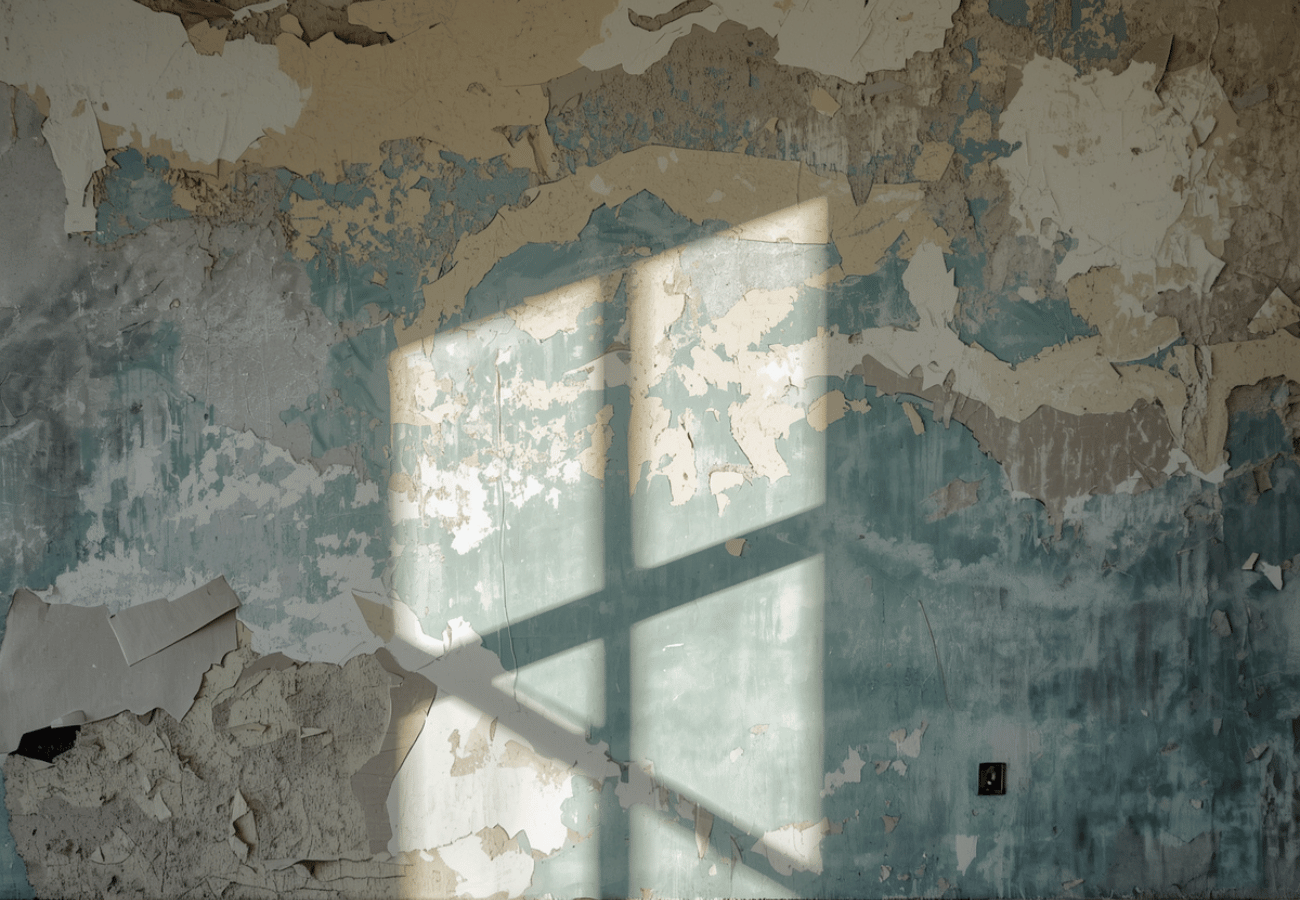
Chalking is a condition in which the surface of the wall colour begins to break down, resulting in powdery residue on painted walls. This powder from chalky interior walls can be seen or felt while touching the wall with hands or any other object that comes into contact with the surface.
Causes of Chalking
Chalking happens if the paint binder breaks down, which leaves loose pigment as a fine powder on the surface. This process is mainly driven by environmental exposure. Here are a few environmental factors connected with chalking walls:
- Ultraviolet (UV) radiation from sunlight
- Moisture
- Rain
- Environmental Debris
Signs of Chalking
There are mainly four signs of exterior and interior paint chalking, these include:
- Accumulation of while and dusty powder on the surface
- The wall colour is becoming dull over time
- Paint power transfers onto the hands when touching the wall
- Uneven or patchy appearance of the wall
How to Prevent Chalking?
The selection of the right formulation based on interior vs exterior paint helps reduce the chances of surface breakdown. Here are a few tips that help in preventing the chances of chalking on walls:
- Before applying the paint, prepare the surface thoroughly by cleaning dirt, grease, and loose particles.
- Use professional services like Berger’s Weather-coat Champ, as it gives the house all-round protection from weather extremes
- Choose high-quality exterior paints that offer better resistance to environmental degradation.
What Is Fading in Paint?
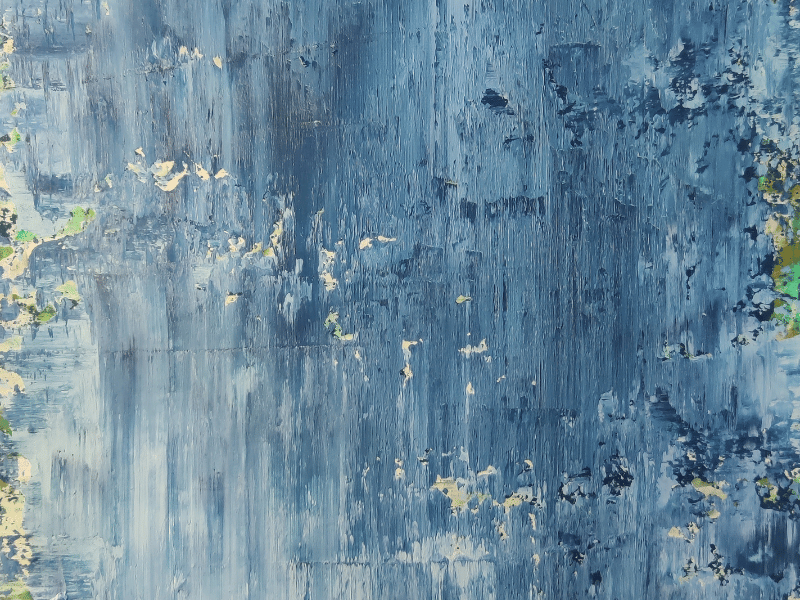
Fading refers to the gradual loss of colour intensity on the painted surface. The paint may remain intact to the wall, but the colour may become lighter or less vibrant.
Causes of Paint Fading
The fading of paint occurs when pigments lose their colour strength because of extended exposure to the environment and chemical degradation within the painted film. The following are the top five causes of paint fading in household walls:
- Prolonged exposure to the UV rays of Sunlight
- Low-quality pigments of the wall colour
- Deterioration of protective interior wall paint
- Harsh weather conditions such as heat, rain and humidity
Signs of Fading
The fading of paint is mostly identified through visible changes that develop gradually on the painted surface. The following signs help to distinguish between normal ageing and noticeable colour deterioration:
- Paint colour becomes lighter.
- Uneven colour appearance on walls.
- Loss of vibrancy in bright colours.
- Noticeable contrast between shaded and exposed sections.
How to Prevent Fading?
The preventive steps of fading paint on walls are focused on preserving colour stability by protecting pigments from UV rays of sunlight and environmental debris. To prevent household walls from fading, these steps can be followed:
- Choose UV-resistant paint
- Use professional painting services for even application of colours on your walls
- Light colour shades for the exterior walls
- Use protective clear coating materials
Key Differences Between Chalking and Fading
Fading and chalking paint on walls may appear similar at first glance. However, they differ in terms of how they affect the paint surface, what causes them and how they change the overall look. A complete breakdown of each factor helps to identify and address each issue in a correct way.
Surface Condition
The most immediate difference in the paint deteriorating lies in how the surface feels and acts on contact. Here’s how both conditions affect wall colour:
- Chalking: Paint chalking exterior produces a dusty residue that comes off when touched or wiped.
- Fading: Maintains a smooth surface with no powder or residue and gradually reduces the paint’s vibrance.
Cause of the Issue
Although both issues are influenced by environmental exposure, they include different components of paint breakdown. The following are the primary causes of chalking and fading:
- Chalking: Chalky wall paint caused by the breakdown of paint binders.
- Fading: It is commonly caused due to prolonged UV exposure.
Impact on Appearance
The presence of chalky paint and fading is usually confirmed through the following ways on walls:
- Chalking: Paint chalking on interior walls looks dusty and dull.
- Fading: The colour loses its brightness but remains clean.
How to Protect Walls from Chalking and Fading?
Proper protection of walls from chalking and fading requires the selection of the right paint and following the scheduled maintenance timeline. Weatherproof exterior walls help to preserve pigment stability and paint's shine for a longer period.
Use High-Quality Paint
Premium wall colour is formulated with stronger binders and lightfast pigments. Choose paints with high binder content to prevent surface breakdowns. Many brands also provide a colour catalogue to help homeowners choose the right shade.
Choose Weather-Resistant Coatings
Environmental exposure is the main trigger for both issues. For that reason, selecting paints with a weather coat anti-dust improves the paint's durability in harsh conditions, UV rays and from environmental debris.
Regular Wall Maintenance
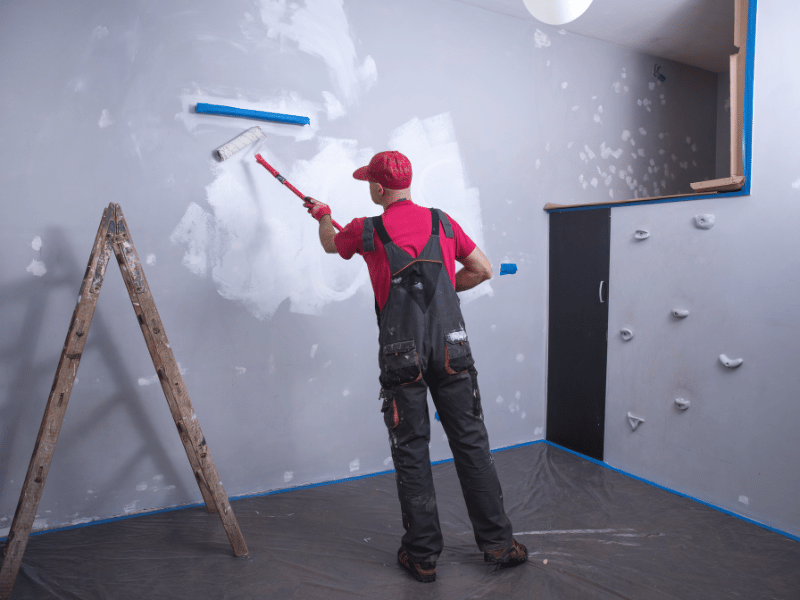
Maintenance of wall paint helps to fix issues that may lead to major paint deterioration. The following four ways are mostly used to maintain the household walls’ vibrance:
- Clean walls periodically to remove dust, pollutants and chalk residue
- Inspect surfaces for early fading or chalky paint on walls
- Recoat surfaces at recommended intervals
Conclusion
If your house walls are showing signs of chalking or fading, professional painting options can help to restore their vibrance. Berger Express Painting offers expert colour consultation with its Weathercoat Anti Dustt Kool with heat reflective nano-tech formula that gives a durable and long-lasting finish. Berger Express Painting uses professional equipment together with their experienced painters to safeguard your property walls while maintaining their original appearance for an extended period of time.