A roof is exposed to constant sunlight, rain, dust, and temperature changes. Without protection, this can affect the roof's strength over time. Roof paint provides a protective coating to maintain its strength and beautiful appearance.
Selecting the right roof paint design colour is essential as it supports longevity, enhances comfort and keeps the result clean and tidy.
Why Choosing the Right Roof Paint Matters
A roof is one of the most exposed parts of a home. It faces heat during summer, moisture during monsoon, and dust throughout most of the year. A suitable paint can reduce surface damage and make maintenance easier. The right coating can protect the roof from rain, UV rays, and heat. It may also reduce minor cracks, lower heat absorption, and support the life of the roof surface.
Choosing the best roof paint should never be based only on shade. The roof material, local weather, surface condition, wall paint and waterproofing needs must also be checked before any work begins.
Types of Roof Paint
Different roof paints are made for different purposes. Some are better for heat control, while others are used for waterproofing or crack coverage.
Acrylic Roof Paint
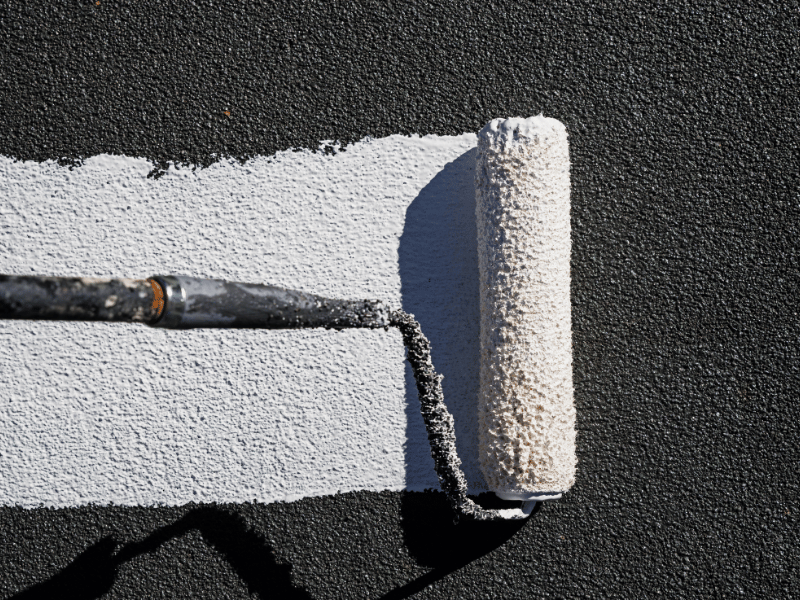
Acrylic roof paint is often used on concrete roofs. It gives a smooth finish and can suit many homes when the surface is clean and dry.
- This type of paint may be useful when the roof does not have serious leakage or large cracks.
- It can also suit homeowners who want a simple home roof paint design without making the surface look too bold.
- Before application, the roof should be cleaned properly.
- Dust, algae, old loose paint, and broken particles should be removed so the coating can bond well.
A basic understanding of home waterproofing for beginners can help in making a better decision.
Elastomeric Coating
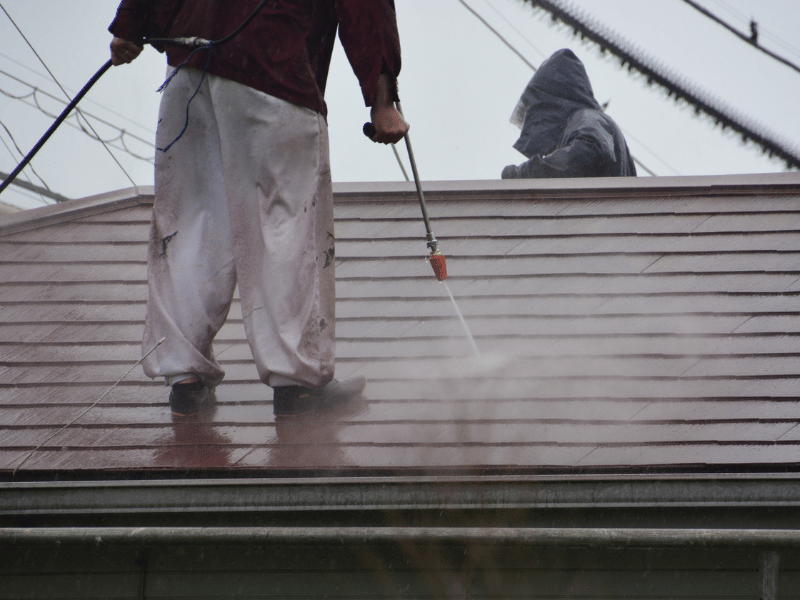
Elastomeric coating is a flexible roof coating that may suit flat roofs and terraces where small surface cracks are common. It is often chosen when the roof needs both crack coverage and water protection.
- It can stretch slightly and may cover minor cracks on the roof surface.
- It may support waterproofing when applied to a clean and repaired roof.
- It should not be used as a quick fix for deep cracks or major leakage.
- If the terrace already shows damp patches or water seepage, check the right waterproofing for the terrace before selecting the roof paint.
Heat Reflective Paint
Heat reflective paint is made to reduce heat absorption from sunlight. It can be useful for homes where the top floor becomes very warm during summer. This can also support better indoor comfort when combined with suitable living room paint ideas for summer.
- It reflects a portion of sunlight from the roof surface.
- It can reduce the amount of heat absorbed by the roof.
- The final result can depend on roof size, surface condition, shade, and local weather.
For homeowners exploring roof painting ideas, this option can balance appearance with heat control.
Consider Your Local Climate
A roof in a dry, hot city will not need the same paint as a roof in a coastal or high-rainfall area.
Hot Climate

Choose heat-reflective paints to reduce roof temperature and improve comfort indoors.
- Heat-reflective paint can reduce heat absorption from direct sunlight.
- This type of paint may help keep top-floor rooms cooler during summer.
- It is suitable for homes in hot regions where roofs stay exposed to sunlight for long hours.
Rainy Climate
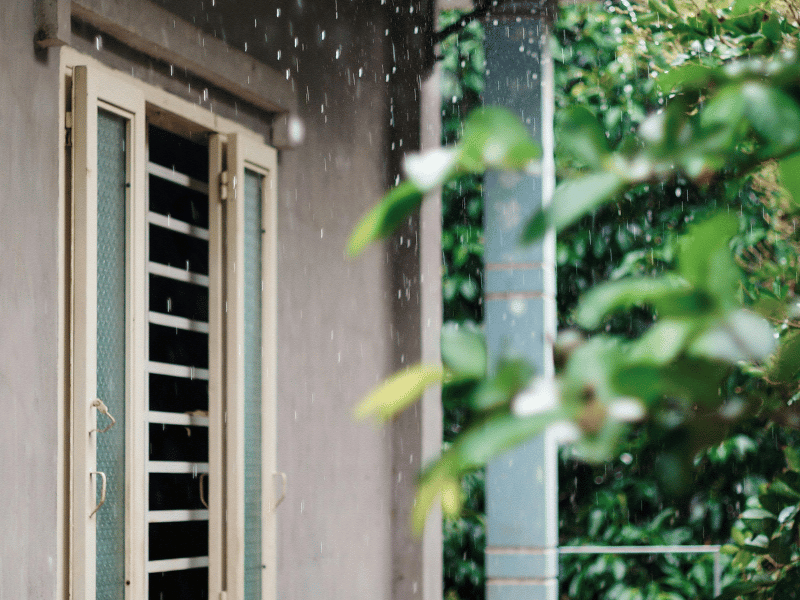
Choose waterproof and anti-leak coatings for heavy rainfall areas.
- Rainwater can enter through small cracks, weak joints, or damaged roof surfaces.
- Waterproof roof paint may reduce the chance of seepage when applied after proper repair.
- Anti-leak coatings are useful for roofs that face regular moisture exposure.
Mixed Climate
Use all-weather-resistant paints for balanced protection against heat, rain, and moisture.
- Many cities face both strong sunlight and seasonal rain.
- All-weather roof paint can offer balanced surface protection in such areas.
- It may support heat resistance, water resistance, and daily weather protection.
- The selected shade should match the overall home roof colour design while still supporting performance.
Check Roof Material Compatibility
Not every roof paint works well on every surface. The coating should match the roof material so it can bond properly and offer better protection.
Concrete Roofs

Concrete roofs are best suited for acrylic or elastomeric paints, depending on the roof condition.
- Acrylic paint may be suitable for general roof protection.
- Elastomeric paint may be preferred if the roof has minor cracks or seepage concerns.
- The surface should be cleaned before painting.
- If seepage has already started, understanding the right types of waterproofing methods can support a better decision before painting.
Metal Roofs
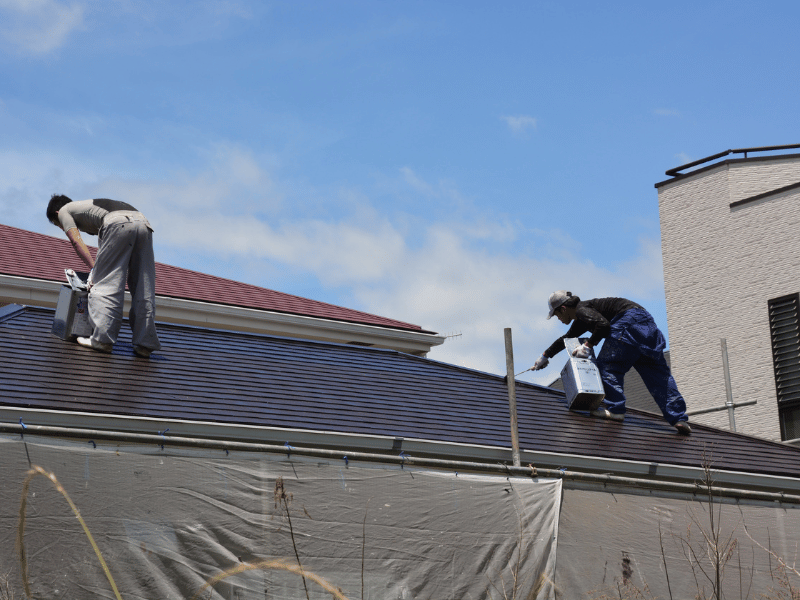
Metal roofs require anti-rust and protective coatings to handle outdoor exposure.
- Regular roof paint may not be suitable for metal surfaces.
- Rust, grease, dust, and old paint should be removed before coating.
- An anti-rust primer may be needed before the final paint layer.
Tile Roofs
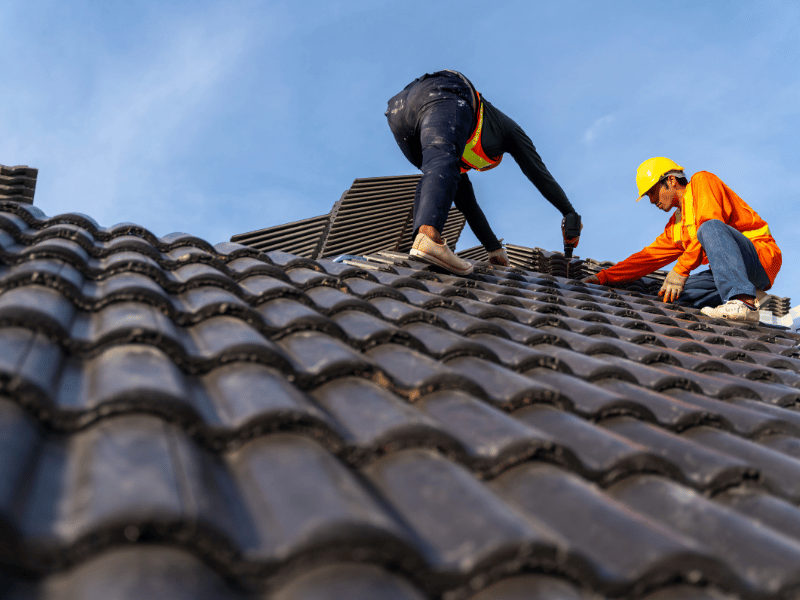
Tile roofs need specialised tile-friendly paints that can bond well with the surface.
- Paint selection should be done carefully because some tiles have smooth surfaces.
- Moss, dirt, and loose particles should be cleaned properly.
- The roof should be dry before the coating is applied.
- The selected paint should match the tile type, roof condition, and local weather.
Look for Waterproofing Properties
Waterproofing is one of the most important points to check before painting a roof. This is especially important for homes that face heavy monsoon rain or regular moisture problems.
Prevents Leakage
A waterproof roof coating can reduce the risk of water seepage during heavy rains when the roof is prepared properly.
- It may stop rainwater from entering through minor surface gaps.
- It works better when small cracks and weak areas are repaired before painting.
- The roof should be inspected before painting if leakage has already started.
- The surface should be clean and dry during application, as trapped moisture can affect the finish.
Crack Resistance
Crack-resistant roof paint can help cover minor cracks and small gaps on the roof surface.
- Small cracks may appear due to heat, ageing, and regular weather changes.
- Flexible coatings, such as elastomeric options, may suit roofs with minor surface-level cracks.
- If cracks are wide, deep, or recurring, the cause should be checked before applying a new coating.
Conclusion
Choosing roof paint becomes easier when the decision is based on weather, roof material, waterproofing needs, and surface condition. Colour can improve the look of a home, but protection should remain the main purpose. Before selecting a shade, homeowners can refer to a colour catalogue and compare options with the roof type.
For roof painting, trained painting services can make the process more organised when cleaning, repairing, priming, and coating are needed.