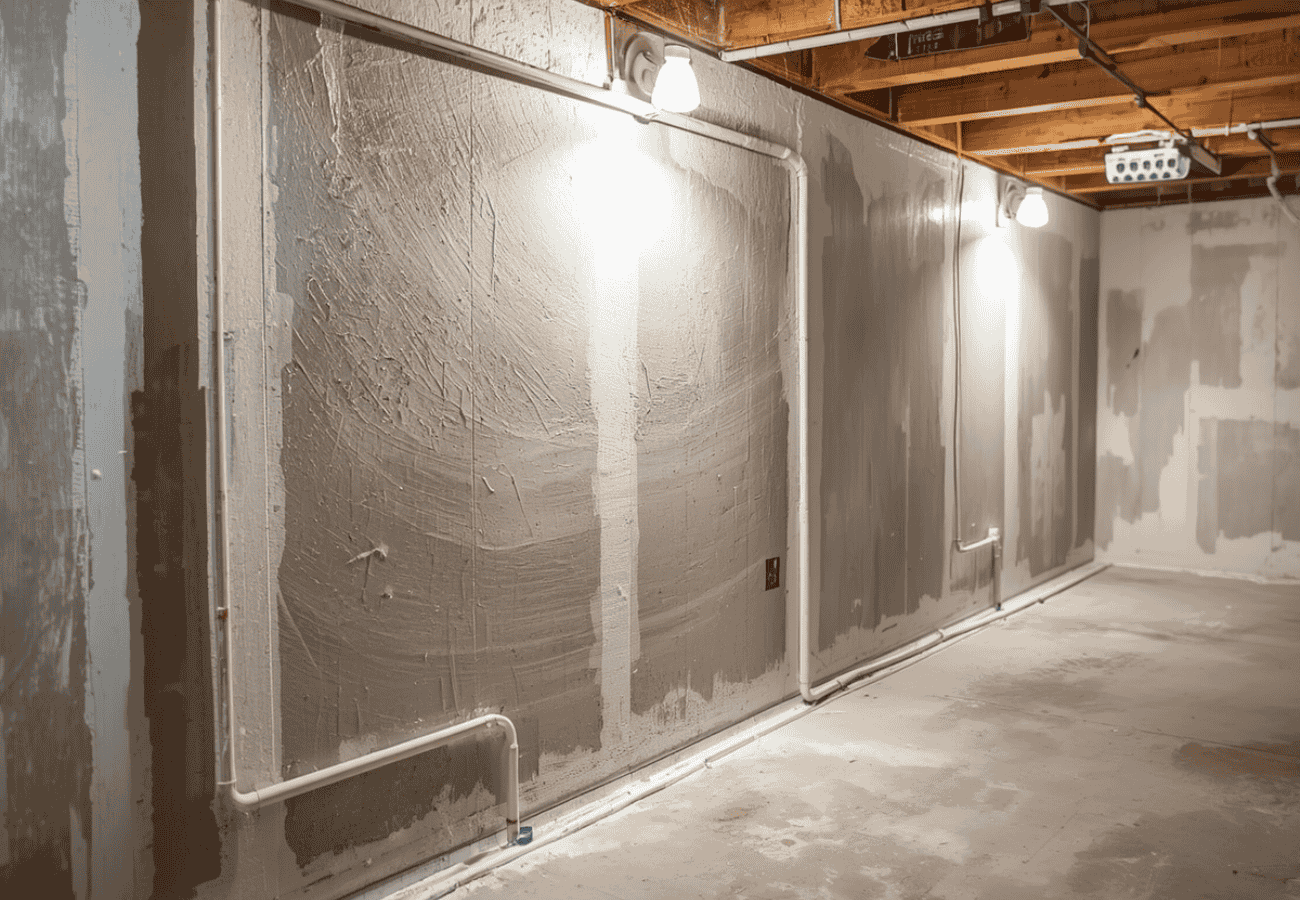
Damp walls are one of the most common problems in homes, especially during the monsoon or in rooms that stay closed for long hours. A small wet patch may look harmless at first, but it can soon lead to peeling paint, mould, stains, and repeated repair work.
Internal wall waterproofing protects your walls from moisture and keeps your home cleaner, safer, and easier to maintain throughout the year. This highlights the importance of waterproofing in preventing long-term wall damage.
What is Interior Wall Waterproofing?
Interior wall waterproofing is the process of applying protective coatings and treatments to internal walls to prevent water seepage, damp patches, and moisture build-up. It helps stop moisture from damaging the wall surface and prepares it for a cleaner, longer-lasting wall paint finish.
This treatment is especially important in moisture-prone areas such as bathrooms, kitchens, basements, and utility spaces, where humidity and water exposure are usually higher.
Why Waterproofing Interior Walls is Important
Waterproofing interior walls protects your home from damp patches, peeling paint, mould growth, and repeated surface damage. It also keeps rooms cleaner and easier to maintain.
Prevents Dampness and Seepage
Moisture can slowly affect walls and damage the surface over time.
- It blocks moisture from reaching and damaging internal wall surfaces.
- It reduces damp patches, stains, and peeling paint.
- It keeps the room looking clean and well-maintained for longer.
Protects Against Mould and Mildew
Mould grows quickly on damp walls, especially in rooms with poor airflow.
- It reduces excess moisture on the wall surface.
- It lowers the chances of mould and mildew growth.
- It supports better indoor hygiene when combined with ventilation.
Reduces Maintenance Costs
Treating dampness early can prevent repeated repairs later.
- It reduces the need for frequent repainting.
- It prevents damage caused by long-term water exposure.
- It gives paint a stronger and cleaner base.
- It can save money by reducing recurring wall repairs.
Common Causes of Interior Wall Dampness
Interior wall dampness may be caused by leaks, poor airflow, seepage, or condensation. Finding the exact cause helps choose the right waterproofing treatment.
Plumbing Leaks
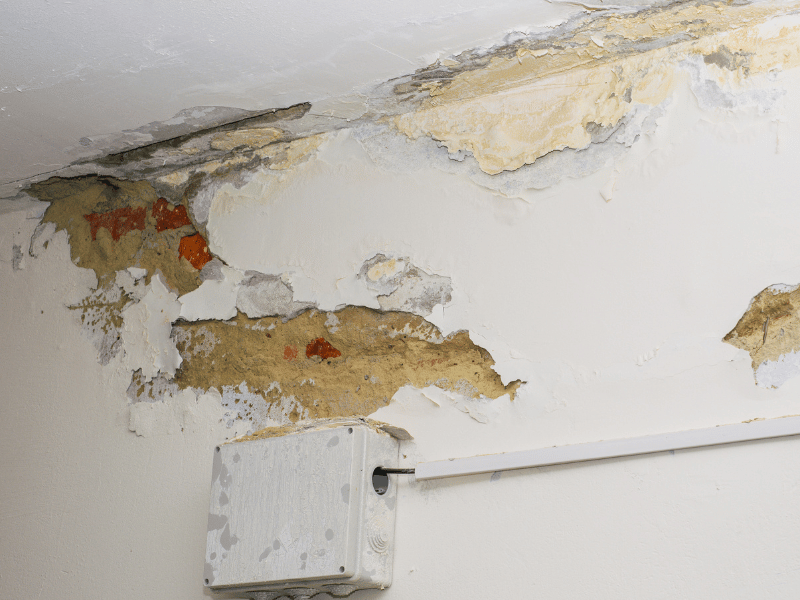
Hidden pipe leaks can create moisture inside walls before the damage becomes clearly visible.
- Leaking pipes inside walls can lead to hidden moisture build-up.
- This issue is common in bathrooms, kitchens, and utility areas.
- Signs may include wet patches, swollen paint, stains, or a musty smell.
Poor Ventilation
Rooms with poor airflow hold more humidity, which can affect wall surfaces over time.
- Lack of airflow in kitchens and bathrooms increases humidity levels.
- Steam from cooking or bathing can settle on walls and ceilings.
- Poor ventilation may lead to damp spots, mould marks, and condensation.
External Water Seepage
Rainwater can affect inner walls through cracks, porous surfaces, or weak exterior areas, especially when a proper roof waterproofing solution has not been applied.
- Cracks in outside walls can cause rainwater seepage on internal surfaces.
- Open joints, terrace edges, and balcony areas can also cause dampness.
- Porous exterior walls may lead to moisture build-up inside the home.
Condensation Issues
Condensation develops when warm, moist air comes in contact with a cooler wall surface.
- Temperature differences can lead to moisture on wall surfaces.
- It is common in closed rooms, bathrooms, and humid areas.
- It may appear as watermarks, small droplets, or damp patches.
Best Practices for Waterproofing Interior Walls
Good waterproofing depends on the way the wall is prepared and treated. A rushed job may not give a lasting result.
Proper Surface Preparation
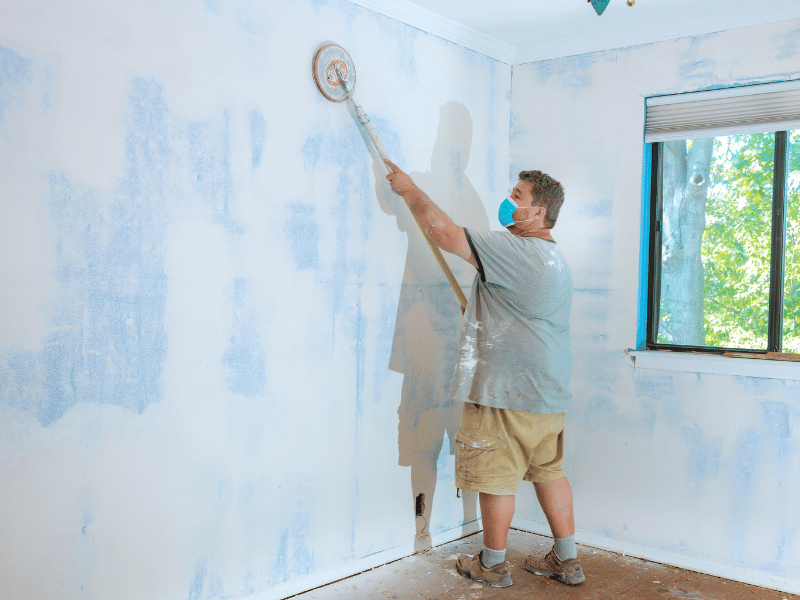
The wall surface should be clean, firm, and ready before any waterproofing product is applied. Dust, grease, loose paint, and damaged plaster can stop the product from bonding well.
Important steps include:
- Clean the wall properly
- Remove flaking paint
- Scrape weak or loose plaster
- Fill visible cracks and gaps
- Smooth rough areas with sandpaper
These steps make the waterproofing layer stronger and more even.
Choose the Right Waterproofing Materials
Every damp wall does not need the same product. The material should be selected after checking the room, wall condition, and source of moisture.
Common materials include:
- Use waterproof paints or coatings made for interior walls
- Apply waterproof primer before the final coating
- Seal joints, corners, and small gaps
- Choose materials suitable for indoor damp areas
The best waterproofing for interior walls depends on how serious the moisture problem is. A professional inspection can make the choice more accurate. After the wall is treated and dry, a colour catalogue can be used to select shades that suit the room.
Apply Waterproofing Solutions Correctly
The result also depends on how the product is applied. Even a good product may not work well if the application is uneven.
Use Multiple Coats
A single coat may not give enough protection in damp-prone areas.
- Apply at least 2 to 3 coats for effective waterproofing.
- Cover corners, joints, cracks, and affected wall areas properly.
- Keep each coat even across the surface.
Follow Drying Time
Each coat needs proper drying time before the next layer is applied.
- Allow enough drying time between coats.
- Do not apply the next coat on a wet or sticky surface.
Types of Waterproofing Methods for Interior Walls
There are different waterproofing methods used for internal walls. The right method depends on the wall type, moisture level, and room use.
Cementitious Waterproofing
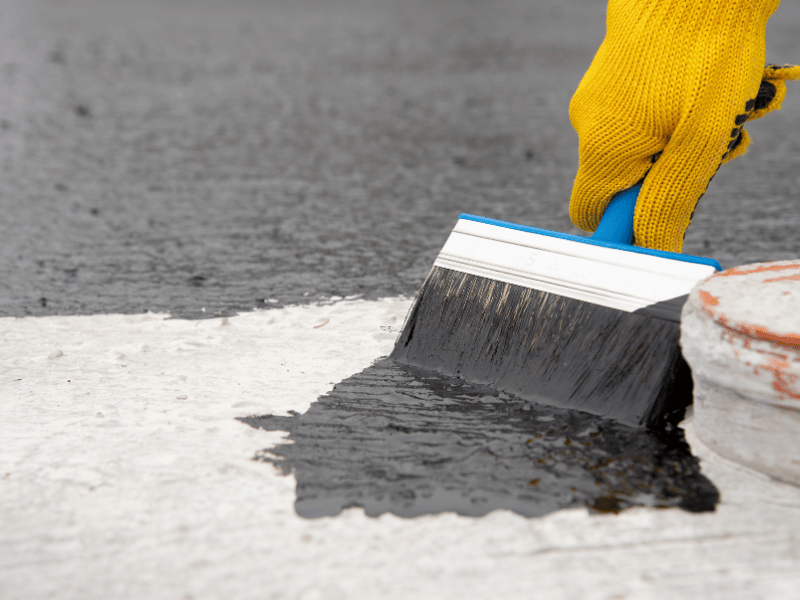
This method is commonly used in wet indoor areas.
- It is easy to apply to prepared wall surfaces.
- It works well in areas exposed to regular moisture, such as bathrooms and kitchens.
Acrylic Waterproofing
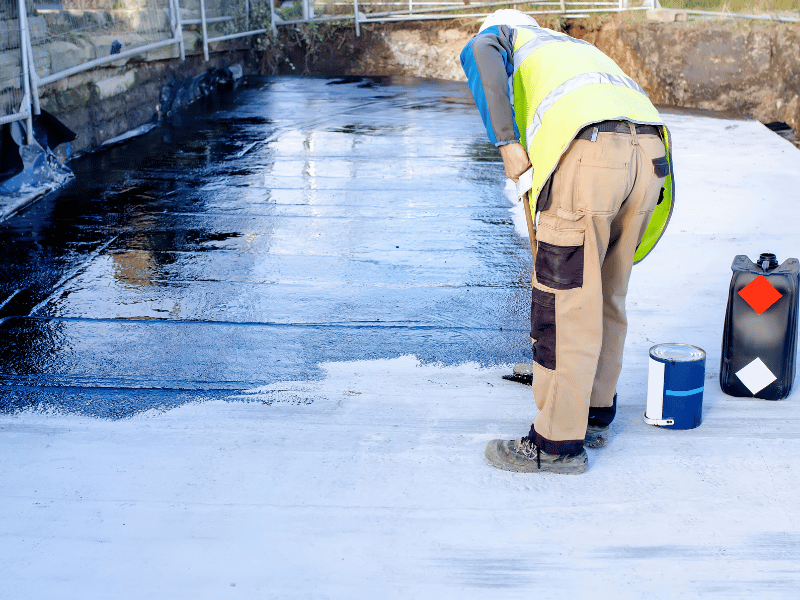
This method is suitable for interior walls with mild moisture issues.
- It creates a protective coating on the wall surface.
- It supports better surface protection before painting.
Liquid Waterproofing Membrane
This method creates a flexible protective layer on the wall surface.
- It gives even coverage across the treated area.
- It helps reduce moisture-related surface damage.
Tools and Materials Required
The tools and materials may change depending on the wall condition and waterproofing method. However, some basic items are commonly used.
Essential Tools
Common tools include:
- Paint rollers and brushes
- Putty knife
- Sandpaper
- Sealant applicator
Materials
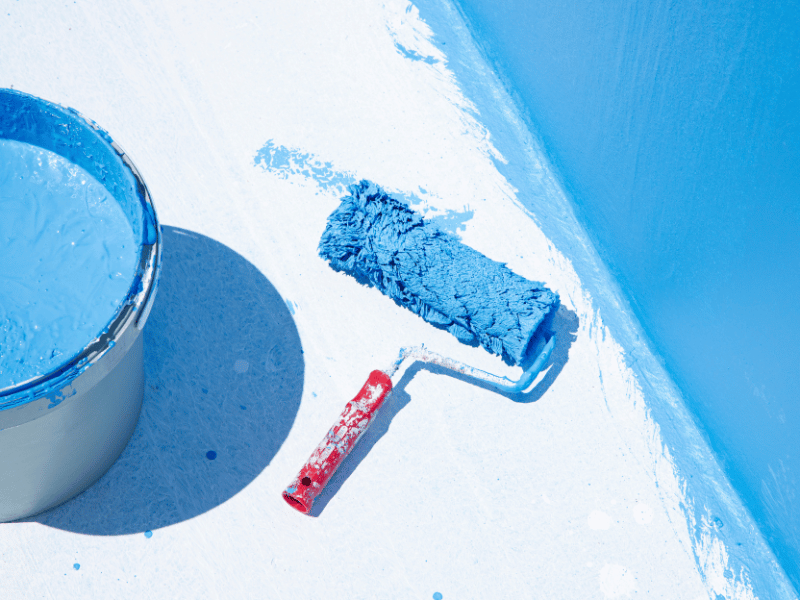
Common materials include:
- Waterproof primer
- Crack fillers
- Sealants
- Waterproof paint or coating
Maintenance Tips After Waterproofing
Waterproofing works better when walls are checked from time to time. Small signs of dampness should be handled early.
Regular Inspection
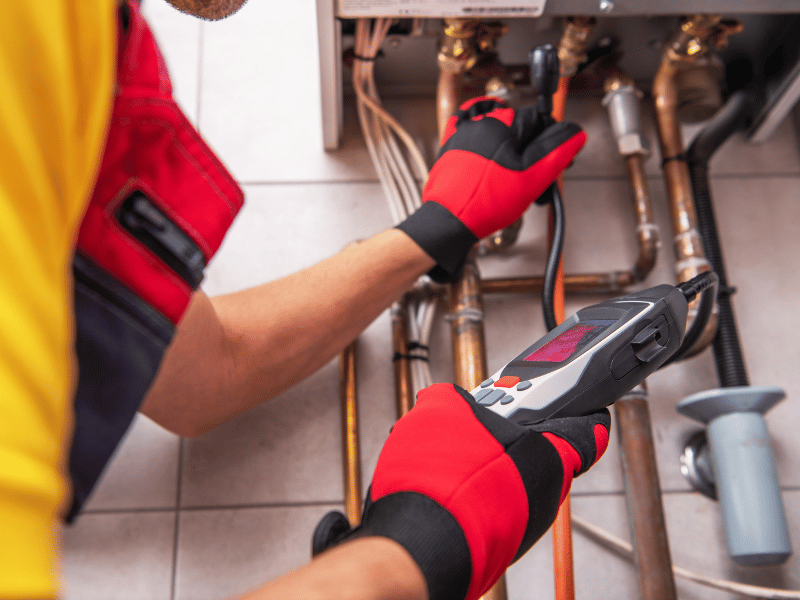
A quick wall check can help spot moisture-related issues early.
- Check for damp patches or peeling paint.
- Inspect corners, skirting areas, and bathroom walls.
Immediate Repairs
Small cracks and leaks should be fixed as soon as they appear.
- Repair visible cracks before they spread.
- Fix plumbing leaks without delay.
- Seal open joints and small gaps properly.
Conclusion
Waterproofing interior walls is an important step in keeping a home dry, clean, and well-maintained. It protects walls from dampness, seepage, mould, peeling paint, and repeated surface damage. The right process includes finding the cause, preparing the wall, choosing suitable materials, and applying each layer correctly. For homeowners who prefer expert support, painting services such as Berger Express Painting can assess the wall condition, suggest suitable products, and complete the work with proper care. This can reduce repeated repairs and support a cleaner, longer-lasting finish.