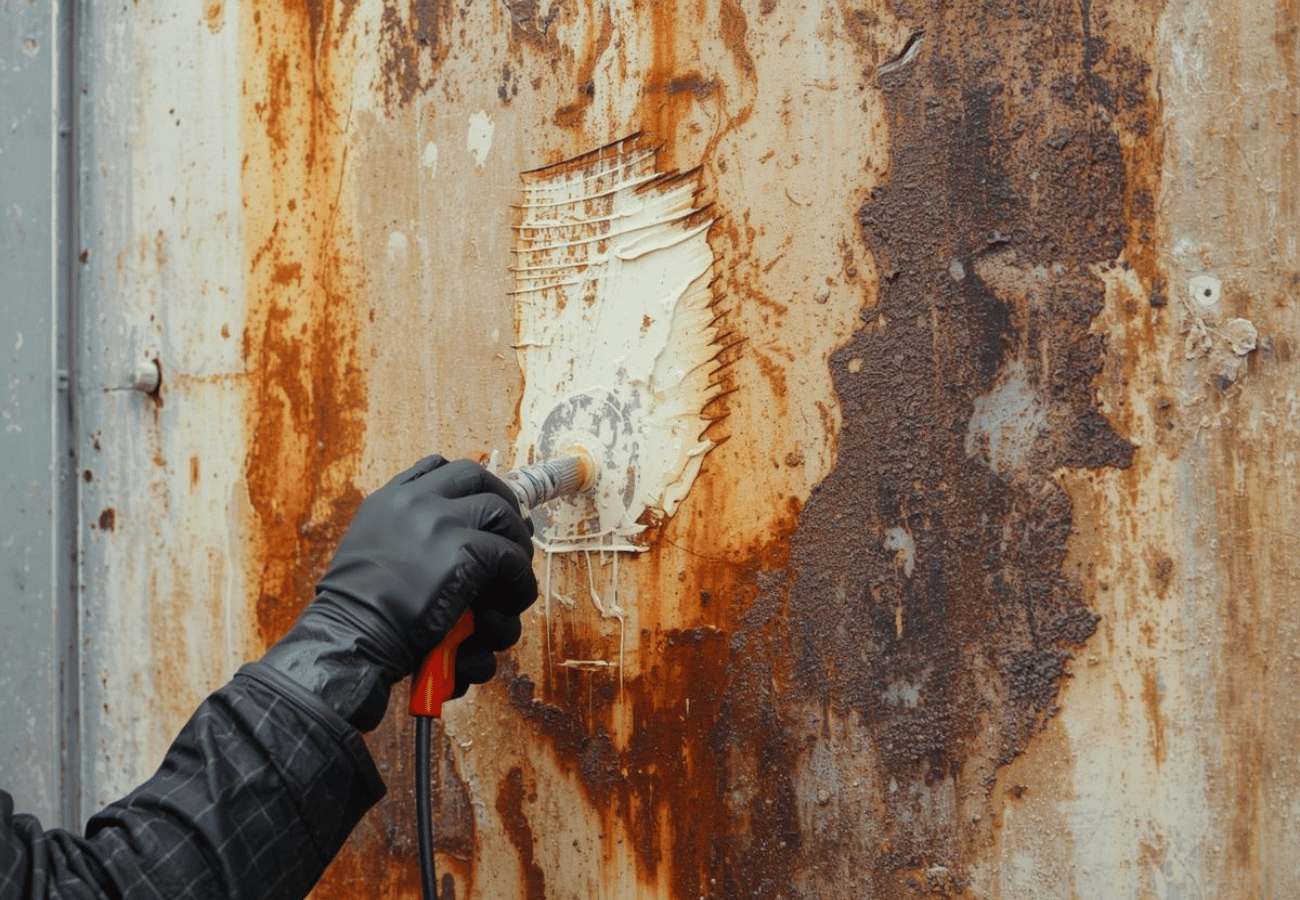
Metal surfaces like steel and iron react with moisture and oxygen, and that reaction quietly turns into pitting, flaking, and thinning, which you only notice when a gate starts squeaking, a railing looks rough, or a joint begins to loosen.
That’s why anti corrosion paint becomes important as it creates a protective film between the metal and the environment. If you pick the right coating and apply it properly, you spend less on repairs, avoid frequent touch-ups, and keep structures safer in day-to-day use.
What Are Anticorrosion Paints?
Anticorrosion paints are protective coatings made for metal surfaces that face air, moisture, and changing weather. In practice, it’s rarely “just one paint.” A proper system usually means surface preparation, a primer, and a topcoat that matches the site conditions.
A lot of people treat the primer step as optional, but it’s usually the step that decides whether the finish lasts or peels early. An anti corrosive primer is designed to grip clean metal, reduce flash rusting, and create a stable base so the next coats don’t fail from underneath.
How Anticorrosion Paints Work
They protect metals in three main ways:
- Barrier protection: Blocks moisture and oxygen from reaching the metal
- Inhibitive protection: Releases corrosion-inhibiting pigments
- Sacrificial protection: Uses metals like zinc that corrode first to protect steel
Why Anticorrosion Paints Matter
Corrosion looks harmless at first, but rust spreads under paint films, creeps into corners, and attacks the exact places you rely on most: edges, welds, bolts, and joints. Choosing a corrosion resistant paint system is one of those practical decisions that saves money later.
They Extend The Life of Metal Structures
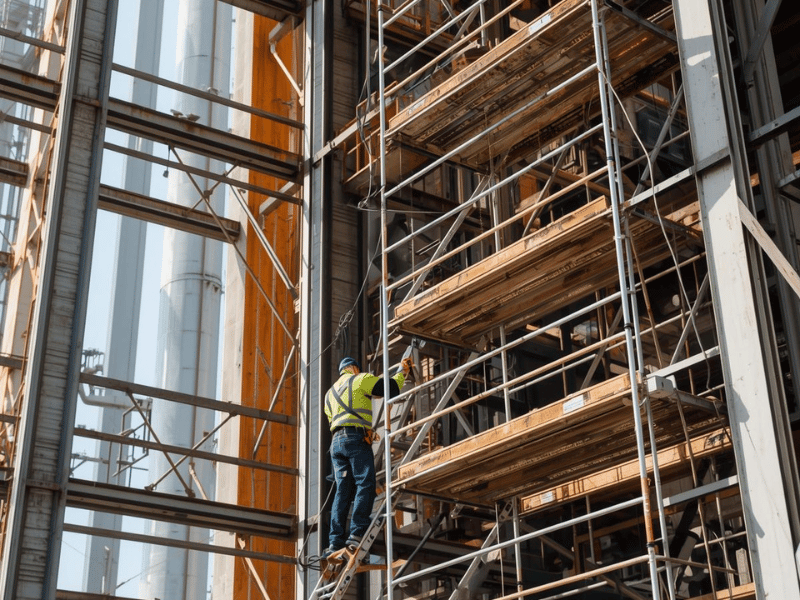
If you’ve ever seen rust return quickly around weld lines, you’ve already seen the weak spots: heat-affected areas, sharp edges, and trapped moisture zones. When the system is specified correctly, anti corrosion paint for steel can keep those vulnerable areas protected far longer than generic enamel-type finishes. Anticorrosion systems are widely used to protect:
- Steel frameworks
- Machinery
- Pipelines and storage tanks
They Reduce Maintenance And Repair Costs
Once corrosion sets in, the solution isn’t just repainting. It becomes scraping, grinding, patching, sometimes cutting and replacing parts, plus the downtime that comes with it. Using anti corrosion paint for metal as part of a planned coating cycle helps prevent that spiral. Regular protective coatings also help:
- Avoid costly replacements
- Minimise downtime in industrial operations
They Improve Safety And Reliability
Rust isn’t only about appearance. It can weaken load-bearing parts, reduce the grip of fasteners, and create stress points that crack over time. Anticorrosion coatings reduce the risk of:
- Structural failures
- Leaks in pipelines
- Equipment breakdowns
They Protect Against Harsh Environments
Some places are simply tougher on metal, for example, coastal air carries salt that speeds up corrosion. Industrial areas may have fumes or deposits that attack coatings. In those conditions, an anticorrosive coating is less about “extra protection” and more about basic durability. These paints are essential in environments such as:
- Coastal areas with salty air
- Industrial zones with chemical exposure
- High-humidity regions
Types of Anticorrosion Paints
Two paints can look identical right after application and still perform very differently six months later. What changes the outcome is exposure, the quality of surface preparation, and whether the coating system was designed to work as a set.
Epoxy-Based Anticorrosion Paints
Epoxy coatings are known for strong adhesion and solid resistance to moisture and many chemicals. In industrial specs, you’ll often see epoxy positioned as anti corrosion metal paint because it forms a hard, tight film that’s difficult for water to penetrate when applied correctly. Key advantages include:
- Excellent chemical and moisture resistance
- Common use in industrial plants and marine settings
Zinc-Rich Primers
Zinc-rich primers work differently from “normal” primers. Instead of only blocking moisture, they provide sacrificial protection. On sites with multiple coats and lots of steel members, applicators sometimes use a yellow primer for visibility so coverage is easier to confirm around angles.
Polyurethane Coatings
Polyurethane topcoats are popular outdoors because they hold colour and gloss better under sunlight. These topcoats are often applied over epoxy layers, which gives a practical combination, tough undercoat, and weather-friendly top surface.
Acrylic Anticorrosion Paints
Acrylic coatings can be a sensible pick for lighter-duty use where quick drying, easier application, and lower odour matter. They’re often used where the exposure is moderate, and the goal is neat protection rather than heavy chemical resistance. Common features include:
- Quick drying and lower odour options
- Suitable for light industrial and commercial use
Where To Use Anticorrosion Paint At Home
At home, rust usually shows up on the things you touch and see daily: gates, grills, balcony rails, window frames, and the little metal parts people forget until they turn brown. The earlier you protect them, the less you deal with repeat work later. Also, don’t shop for metal coatings the way you shop for wall paint. Metal needs adhesion, rust control, and the right primer/topcoat pairing; colour comes after those decisions.

On Gates, Fences, And Grills
Outdoor metalwork gets hit by rain, condensation, dust, and sometimes garden water as well. Dust holds moisture on the surface, and joints trap it, so rust often starts where you least want it: corners, welds, and overlaps. A dependable anti rust paint system reduces early rust spotting and helps keep edges from flaking once the weather cycles start doing their damage.
Anticorrosion protection helps limit:
- Rust formation
- Peeling and flaking
On Stair Railings And Balconies
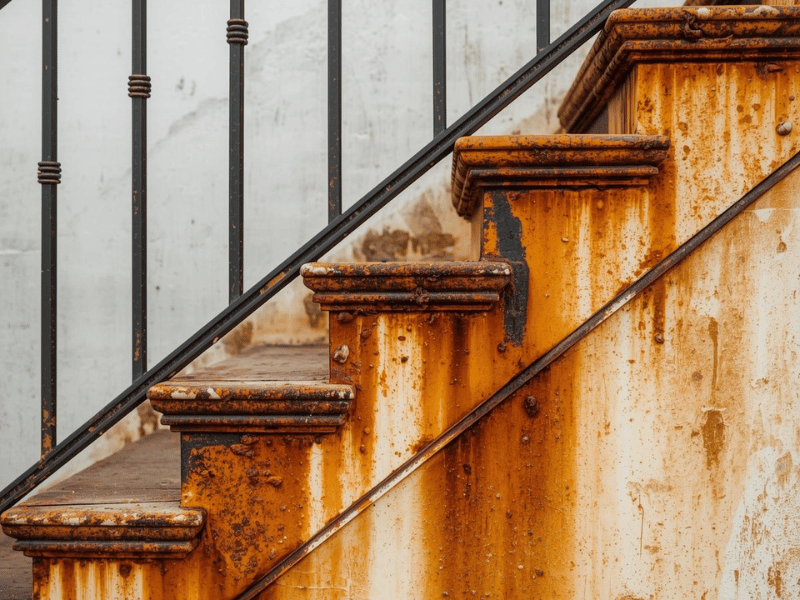
Railings are touched constantly, cleaned often, and are exposed to abrasion from daily use. Even small scratches can become rust entry points if they aren’t sealed quickly. That’s why anti rust paint for metal is a practical choice here, especially if the railing is exposed to rain or gets damp after cleaning. These areas need strong protection because they are exposed to:
- Moisture
- Frequent touch and wear
On Metal Doors And Window Frames
Metal frames and shutters go through heat and cooling cycles that create condensation, particularly during monsoon and winter. That moisture sits in corners and around fittings, and that’s exactly where coatings tend to fail first. Choosing the best anti rust paint for metal helps reduce bubbling, corner rusting, and the slow creep of corrosion around hinges and hardware.
This protection helps reduce:
- Condensation-related rusting
- Weather-driven surface damage
- Long-term coating failure
In Kitchens And Bathrooms
Bathrooms and kitchens stay humid, and some areas get wet repeatedly. Mild steel items (or mixed-metal fixtures) can start staining fast, even if the space looks “clean.” Using an anti corrosion coating for mild steel is helpful for things like exhaust fan frames, metal shelves, and covers where rust streaks quickly ruin the look and become annoying to maintain.
It is especially useful for:
- Exhaust fan frames
- Metal shelves
- Pipe covers
How To Choose The Right Anticorrosion Paint For Your Home
The easiest way to choose well is to slow down and treat it like a small checklist: where is it used, what’s the surface like, and how often are you willing to maintain it.
Consider The Environment
Start with exposure: sun, rain, coastal air, humidity, and household chemicals used for cleaning. If the surface sits outdoors year-round, it’s worth looking at systems marketed as the best anti corrosion paint for steel, then confirming whether they’re designed for your exact conditions.
Match The Paint To The Surface
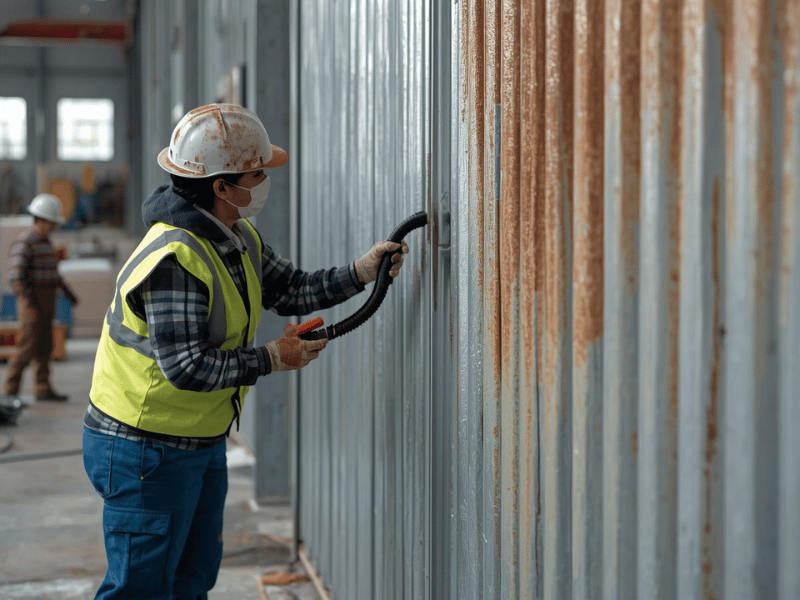
Different metals behave differently, and mild steel in particular needs proper cleaning and priming because rust can start quickly once bare metal is exposed. For grills, brackets, and fabricated household items, anti corrosion paint for mild steel is commonly chosen.
Check Durability And Maintenance Needs
Think about how you’ll live with the finish. Do you need long colour life outdoors, or do you care more about maximum protection with easy touch-ups? Also, check recoat intervals and whether the product tolerates small scratches without peeling back.
Conclusion
Anti-corrosion paint is one of those practical investments that pays you back quietly, with less rust, fewer repairs, and fewer weekends lost to sanding and repainting. If you want results that last, the coating system matters as much as the product label.
That’s where Berger Express Painting comes in. Our team focuses on preparation, correct priming, and consistent application so the finish doesn’t just look good initially, it stays stable through weather cycles and daily wear. If you’re comparing options, professional painting services can be the difference between a one-season fix and a long-term solution.